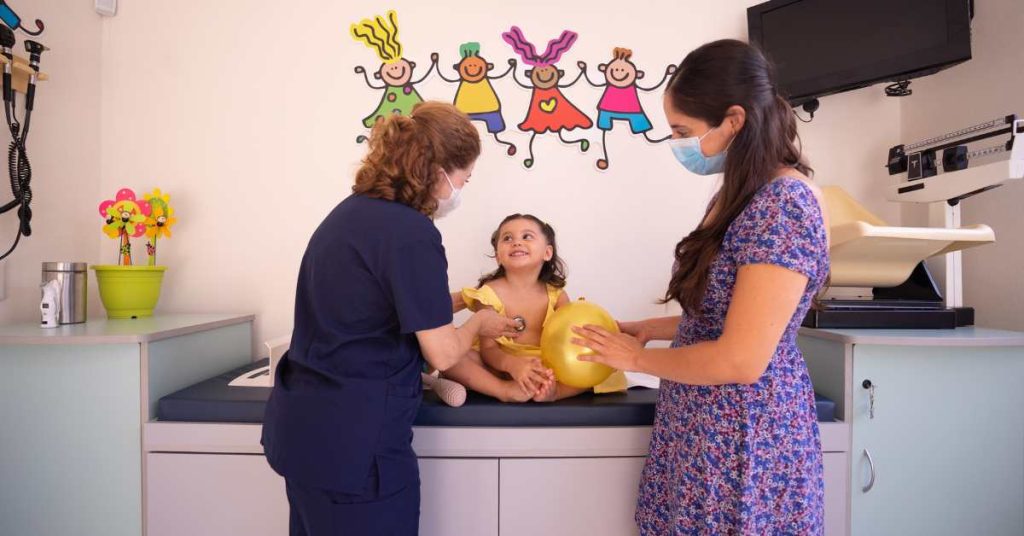
Welcoming a baby into the family is a life-changing experience filled with joy, questions, and new responsibilities. Among the most important tasks parents face is ensuring their infant receives consistent medical care. Infant doctor appointments form the foundation of a healthy start, providing professional oversight for a child’s growth, development, and wellbeing.
From the first days of life through the first birthday, these visits are essential checkpoints. They not only track physical milestones but also address emotional and cognitive development, nutritional needs, and preventive care.
This article provides a comprehensive guide to what parents can expect during infant doctor visits, why they matter, and how to prepare for each one.
Why Infant Doctor Appointments Are Crucial
Infants grow and change at a remarkable pace. Within months, they go from fragile newborns to curious explorers. Pediatric appointments serve multiple purposes:
- Monitoring growth – Measuring weight, length, and head circumference.
- Developmental checks – Assessing reflexes, motor skills, and communication.
- Vaccinations – Providing protection against preventable illnesses.
- Parental support – Offering guidance on feeding, sleep, and safety.
- Early intervention – Identifying potential concerns before they become serious.
Consistent appointments create a clear picture of a baby’s progress and give parents confidence in their caregiving.
Typical Schedule for Infant Doctor Appointments
During the first year, most babies follow a schedule of frequent doctor visits. While schedules may vary slightly, a standard timeline includes:
| Baby’s Age | Appointment Focus | What’s Checked |
|---|---|---|
| 3–5 days | Feeding, jaundice, weight | Alertness, hydration |
| 2 weeks | Growth review | Feeding patterns, bonding |
| 1 month | General health | Eye tracking, reflexes |
| 2 months | Vaccinations start | Smiles, cooing |
| 4 months | Continued growth | Rolling, head control |
| 6 months | Introducing solids | Sitting with support |
| 9 months | Development milestones | Crawling, early words |
| 12 months | First annual review | Standing, first steps |
This schedule helps pediatricians stay ahead of potential issues while guiding parents through each stage.
What Happens at an Infant Appointment
Each visit generally follows a structured routine, though it’s personalized based on the baby’s needs:
- Measurements – Growth recorded and compared to age-specific charts.
- Physical exam – Doctor checks heart, lungs, eyes, ears, abdomen, and reflexes.
- Developmental review – Observing how the baby moves, responds, and interacts.
- Immunizations – Administered at recommended ages.
- Parental questions – Open discussion on feeding, sleep, or behavior concerns.
- Safety advice – Guidance on car seats, safe sleeping, and baby-proofing.
Vaccinations and Protection
One of the most important parts of infant visits is the vaccination schedule. These shots protect babies from diseases like:
- Hepatitis B
- DTaP (diphtheria, tetanus, pertussis)
- Hib (Haemophilus influenzae type b)
- Polio
- Pneumococcal infections
- Rotavirus
- Influenza
Without these protections, infants are vulnerable to serious, preventable illnesses.
Common Concerns Parents Discuss
Parents often use these visits to seek advice. Common topics include:
- How much and how often to feed
- Normal sleep patterns vs. concerns
- Digestive issues like spit-up or constipation
- Teething and pain management
- Safety in the home and car
- Emotional bonding and soothing strategies
Doctors provide reassurance while tailoring recommendations to each family’s needs.
How to Prepare for an Appointment
A little preparation makes visits smoother:
- Bring diapers, wipes, and an extra outfit.
- Keep a log of feeding times and sleep.
- Write down questions in advance.
- Bring vaccination records if not stored digitally.
- Plan feeding time around the visit to keep your baby calm.
This preparation allows you to focus on your child’s care rather than last-minute details.
When to Call Between Appointments
Not every issue can wait until the next visit. Parents should contact their pediatrician if their infant:
- Has a fever of 100.4°F (38°C) or higher under 3 months old
- Shows signs of dehydration (few wet diapers, dry mouth)
- Refuses to feed or vomits persistently
- Has difficulty breathing or rapid breathing
- Appears unusually lethargic or irritable
- Has a spreading rash with fever
Timely action ensures that serious problems are treated early.
Tips for Making the Most of Doctor Visits
- Stay calm – Babies often pick up on a parent’s stress.
- Comfort your baby – Gentle touch, soothing words, or a pacifier help.
- Feed after vaccinations – Nursing or bottle-feeding can ease discomfort.
- Track progress – Keep a folder or app with records of growth, vaccines, and notes.

These small steps help both parents and infants feel more at ease.
The Parent-Doctor Partnership
A trusting relationship with your baby’s doctor is vital. Each appointment builds this partnership, offering:
- Clear communication about health goals
- Tailored advice for your child’s development
- Support during unexpected health issues
- Long-term consistency for your baby’s wellbeing
This ongoing connection ensures that medical care grows alongside your child.
Beyond the First Year
Doctor appointments don’t end after 12 months. The frequency decreases, but regular checkups remain essential as children enter toddlerhood and beyond. These visits continue to track growth, behavior, and learning while offering support for new parenting challenges.
Final Thoughts
The first year of infant doctor appointments lays the groundwork for a healthy future. These visits are more than medical check-ins—they are opportunities for reassurance, education, and bonding between parents, children, and healthcare providers.
To better understand why keeping these visits matters, you can explore this detailed guide on the importance of newborn doctor appointments. By staying consistent with appointments, parents create a safe, nurturing path for their child’s growth and development.